

Oh no. Is it syphilis?
What is syphilis?
Syphilis is a common sexually transmitted bacterial infection that spreads through unprotected sex. Sexually active people can get syphilis through vaginal, anal, or oral sex without a condom with a partner who has syphilis.
It doesn't care about your age, gender, sexuality, or how many people you’ve slept with. It’s an infection, and one you can treat.


Anyone who has unprotected sex can get syphilis.
That’s right—anyone who has unprotected sex can get syphilis. That's why it's so important to practice safe sex and get regular testing as needed.
Some groups are more commonly affected by syphilis, including*:
- People between the ages of 20 and 34
- Men
- Men who have sex with men
- Black men

Some groups have shown a rise recently in syphilis*:
- People 55+
- Women
- Pregnant women
- Infants who can get it through their mothers (congenital syphilis)
Knowing your risk and taking steps to protect yourself can make a big difference.
What are the stages of syphilis?
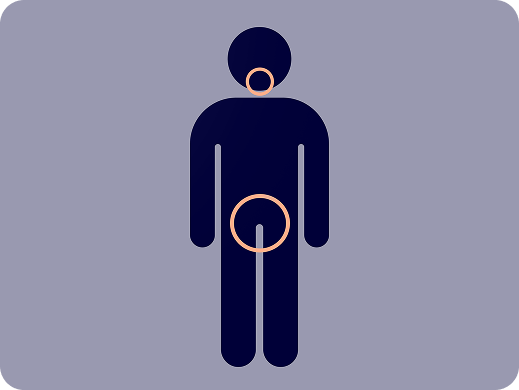
Primary stage
What to watch for: A painless sore (called a chancre) on or near your genitals, mouth, or rectum
Why it matters: It can be tricky to spot because it often heals on its own, but the infection stays dormant in your body
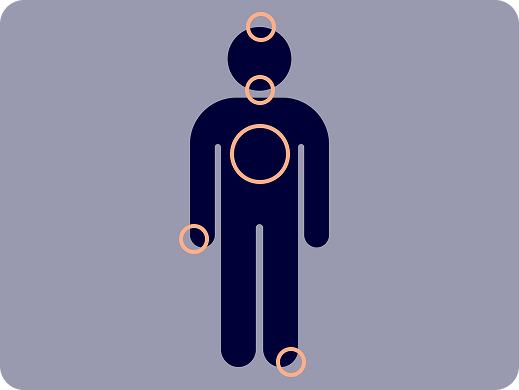
Secondary stage
What to watch for: A skin rash, fever, sore throat, swollen glands, or hair loss
Why it matters: These symptoms mimic other illnesses. Without treatment, syphilis will continue to live in your body, progressing further
Latent stage
What to watch for: Syphilis will have no visible symptoms, remaining completely silent
Why it matters: You may feel fine, but syphilis is still there and causing harm to your body

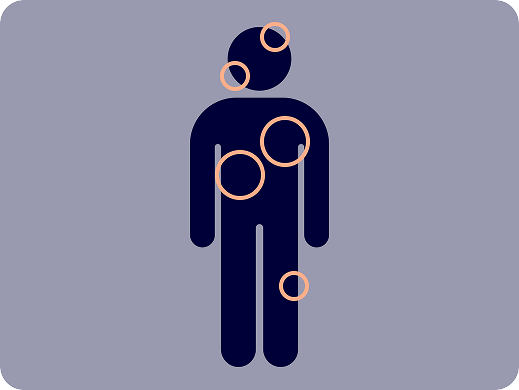
Tertiary stage (rare but dangerous)
What if you’ve had syphilis before?
How does syphilis spread?
Syphilis can spread through:
- Unprotected vaginal, oral, or anal sex
- Skin-to-skin contact with a syphilis sore
- From mother to baby during pregnancy (called congenital syphilis)
It's important to know syphilis can spread even when there are no symptoms. That’s why regular testing is so important—not just for you and those you care about, but also for potential future partners.
How do I protect myself?
There are simple and effective ways to protect yourself from sexually transmitted infections like syphilis:
- Using condoms and dental dams
- Getting tested regularly
- Having consistent, transparent, and open conversations with your partners and healthcare providers


What is congenital syphilis?
Congenital syphilis happens when syphilis is passed from a pregnant mother to her baby during pregnancy or birth. It can cause serious health problems for the baby, including premature birth, low birth weight, or even stillbirth.
The good news? Congenital syphilis is preventable. Getting tested and treated early in pregnancy can protect both you and your baby. Syphilis can be curable with the right treatments from your healthcare provider.